
How Is the Basmati Rice Price in Ethiopia Determined in the Import Market
Premium Pakistani Rice Exporter | Bulk Supply | Trusted Worldwide
Malik Agro Industries have learned one simple truth over decades of working in agriculture: rice prices are about people, habits, quality and trust. When buyers ask us about the basmati rice price in Ethiopia, we explain it the same way a farmer would without confusion. While traditional foods still dominate, rice consumption is increasing every year, especially in urban areas. Families, restaurants and food businesses are slowly moving toward rice because it is easy to cook, easy to store and filling. This steady change plays a strong role in shaping the basmati rice price.
Ethiopia’s Growing Interest in Basmati Rice
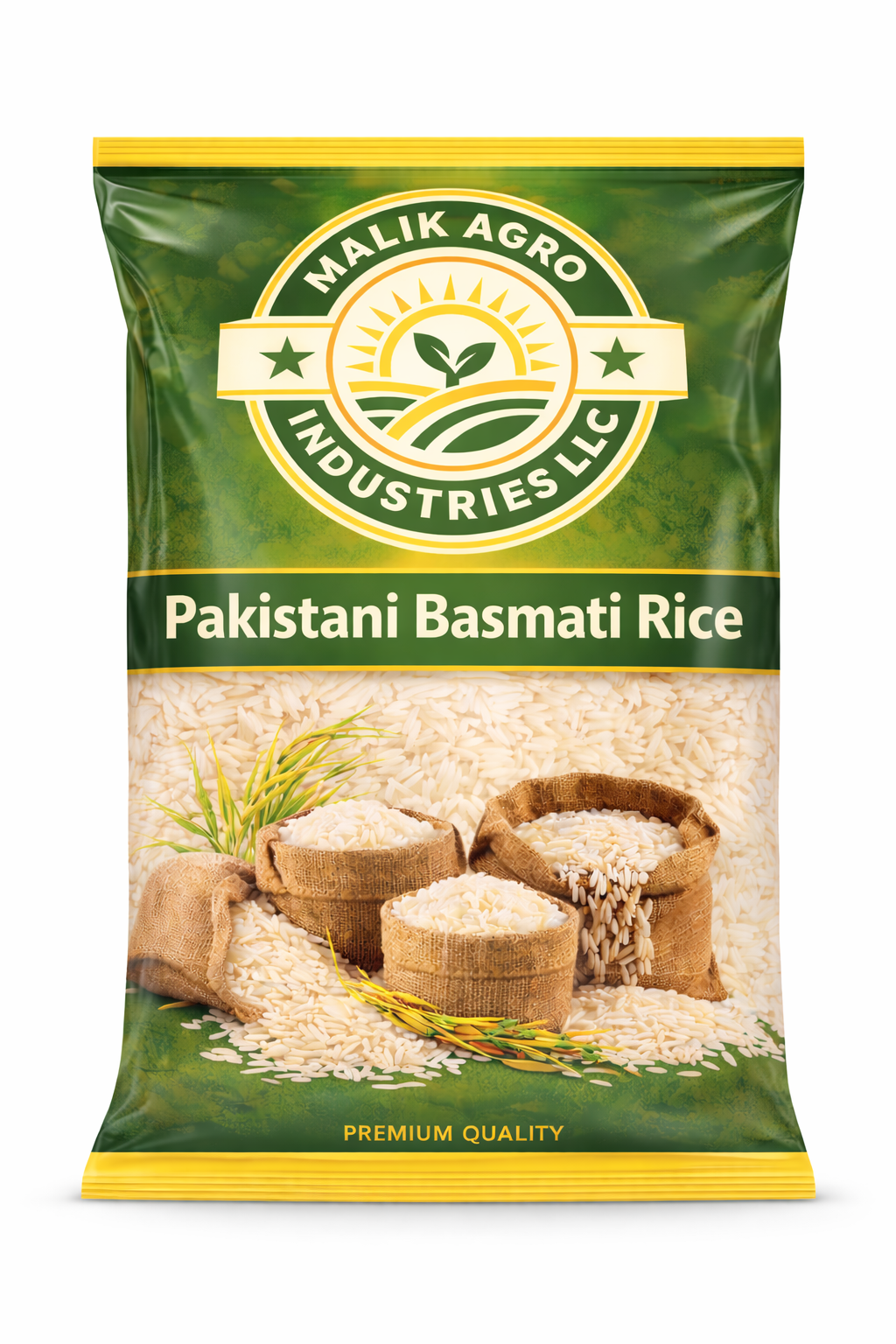
Rice is not new in Ethiopia, but Basmati rice is gaining attention. People are learning the difference between ordinary rice and Basmati. Once families experience the aroma and soft texture of Basmati, they often prefer it again. Moreover, hotels and restaurants prefer rice that looks good on the plate. Basmati rice, especially long grain types, offers that visual appeal. Because Ethiopia relies mostly on imports for Basmati, international supply directly affects the basmati rice price in Ethiopia.
Why Long Grain Basmati Rice Is Preferred
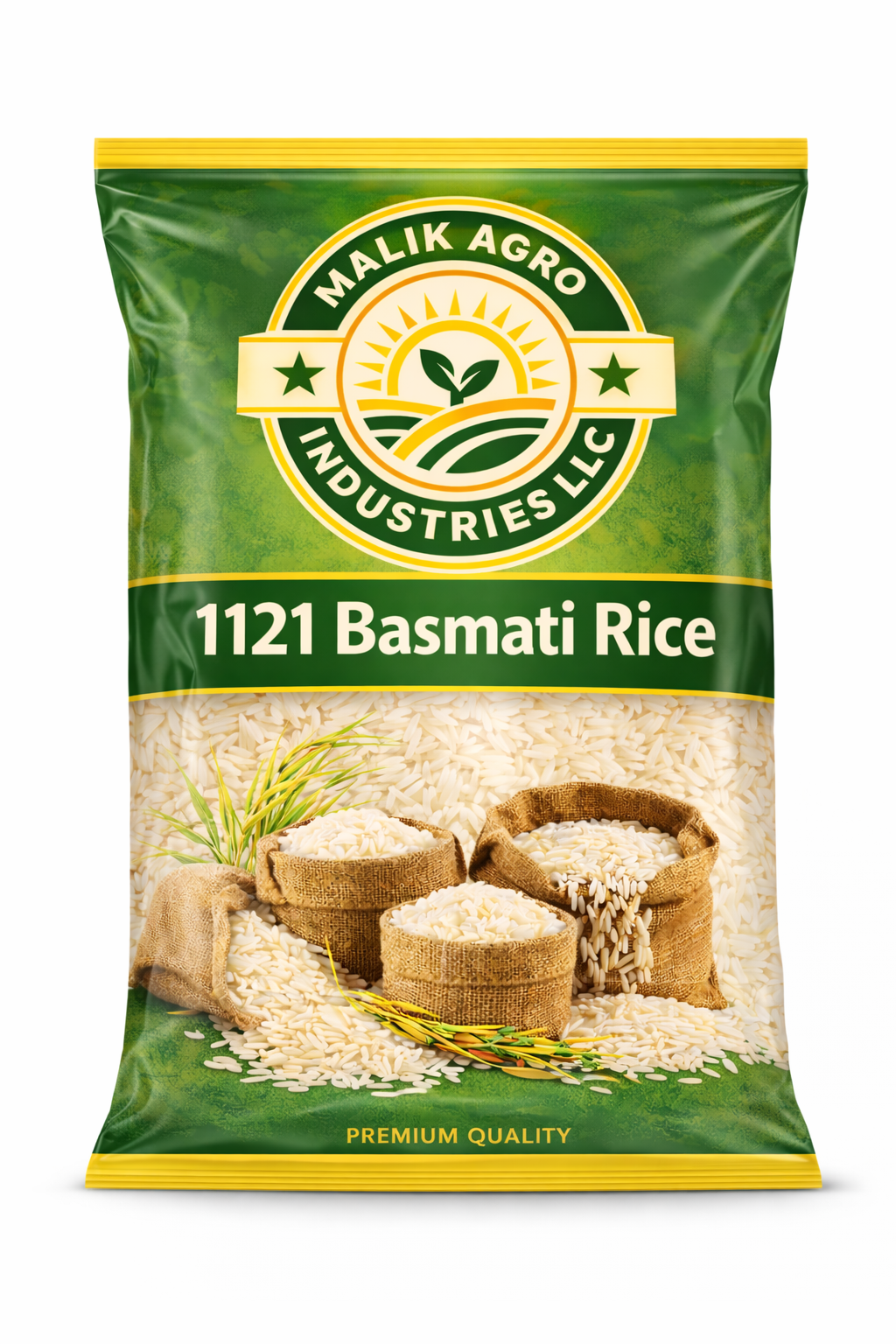
Long Grain Basmati Rice is highly valued in Ethiopia. The grains stay separate after cooking and do not become sticky. This quality is important for both home cooking and commercial kitchens. Long grain rice also expands well, meaning less rice can serve more people. Although long grain Basmati costs slightly more, buyers find it economical in the long run. This preference keeps long grain varieties at the premium side of the basmati rice price in Ethiopia market.
Understanding Premium Basmati Rice
Not all Basmati rice is premium. Premium Basmati Rice refers to rice with strong aroma, uniform grain length, minimal broken grains and proper aging. Aging improves cooking results and taste. In Ethiopia, demand for premium rice is rising among middle class families and businesses. Buyers are willing to pay more when quality is consistent. This shift toward better quality is slowly redefining the basmati rice price in Ethiopia.
Role of Pakistani Exporters in Ethiopia
Pakistan is one of the world’s strongest sources of Basmati rice. The climate and soil of Punjab produce authentic varieties that cannot be copied elsewhere. Ethiopian buyers increasingly prefer Pakistani rice because of its reliable quality. At Malik Agro Industries, we control sourcing, milling and export. This allows us to supply consistent rice grades year after year. Reliability like this helps Ethiopian importers manage stock and pricing without surprises.
1509 Basmati Rice and Its Market Position
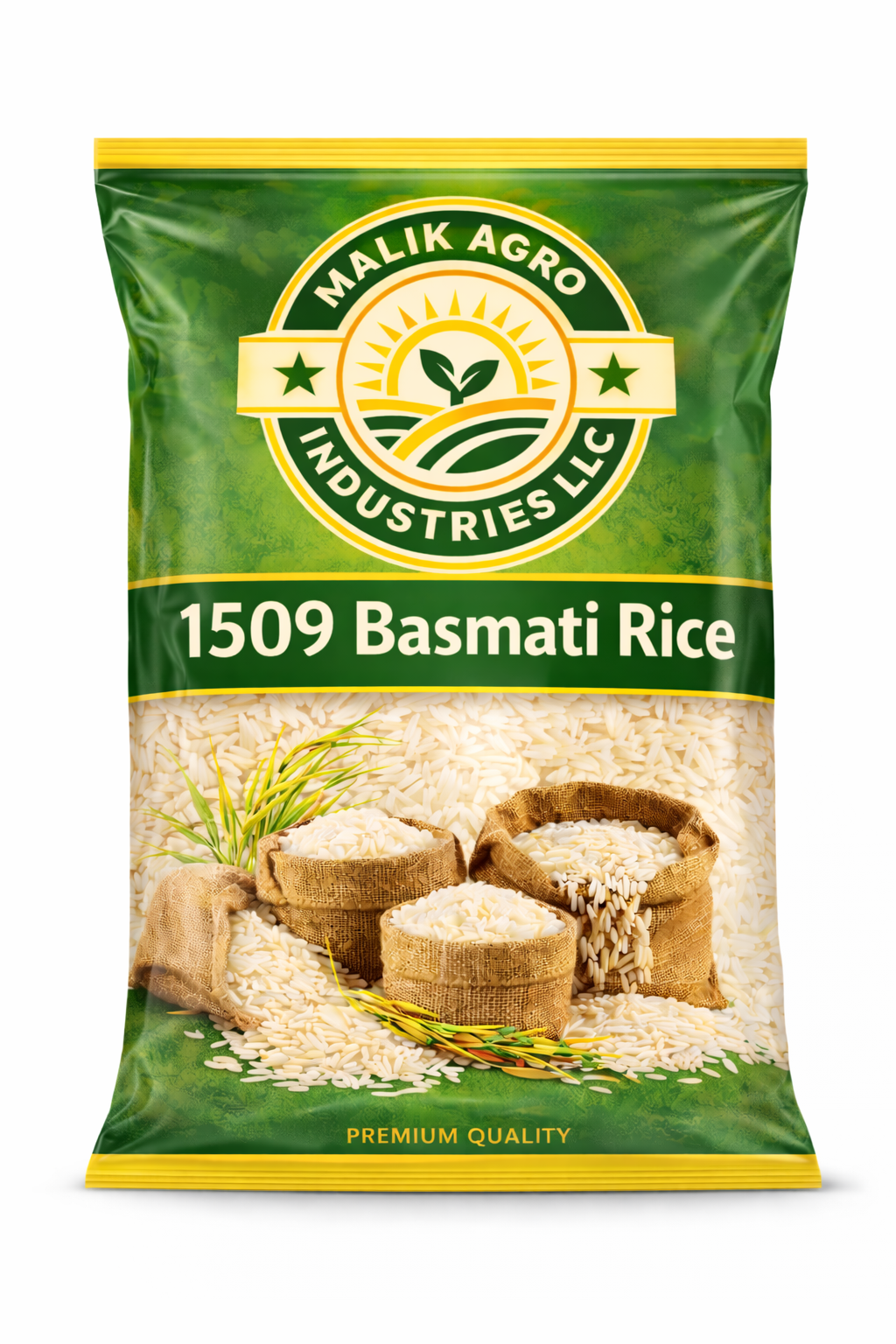
One variety gaining attention is 1509 basmati rice. This variety is known for its long grain and faster cooking time. It offers many benefits of traditional Basmati but at a slightly more affordable price. Because of this balance, many buyers look specifically for a reliable 1509 Basmati Rice Exporter. The growing popularity of this variety has created a stable demand segment within the basmati rice price in Ethiopia range.
Why 1509 Long Grain Rice Is Popular
1509 Long Grain Rice is appreciated for its clean appearance and cooking performance. It cooks faster than older Basmati varieties and still delivers good aroma and length. For restaurants and caterers in Ethiopia, this rice saves both time and cost. That practical advantage keeps 1509 long grain rice in steady demand and influences pricing trends positively.
Organic Rice Exporter Demand Is Rising
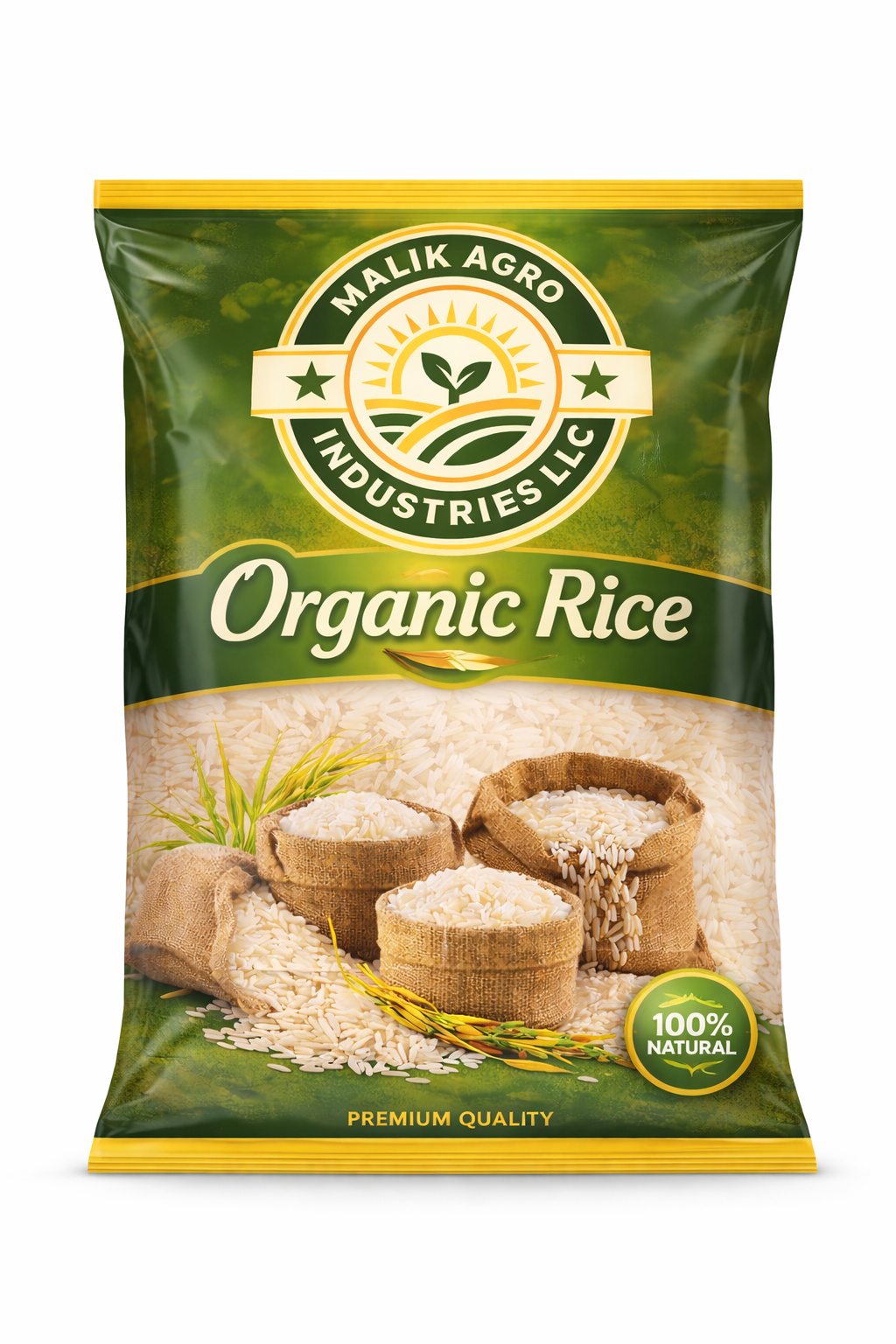
Another genuine shift in Ethiopia is growing interest in organic food. Health conscious families and businesses are asking more questions about farming methods. As a result, the role of an Organic Rice Exporter is becoming more important. Organic rice requires careful farming without harmful chemicals. This process costs more and takes more effort. Therefore, organic options naturally sit at the higher end of the rice price scale.
Organic Basmati Rice and Its Value
Organic Basmati Rice offers purity and peace of mind. It is grown using natural methods and processed carefully to avoid contamination. Although organic rice is more expensive, buyers trust it for health and quality. In Ethiopia, organic Basmati is still a niche market. However, demand is slowly growing, especially among premium buyers. As awareness increases, organic rice will play a stronger role in future pricing trends.
Explaining the main pricing influences in Ethiopia:
- Preference for long grain and premium Basmati rice
- Choice between traditional Basmati and 1509 long grain rice
- Demand for organic Basmati rice and certified organic exporters
- Shipment timing, container availability and freight cost
- Import handling, storage conditions and supplier reliability
- Experience and consistency of the rice exporter
Import Logistics and Price Stability
Ethiopia is landlocked, which means imported rice travels through neighboring ports. This extra transportation adds cost and time. Efficient planning becomes very important. When shipments are delayed, storage and transport costs rise. These costs eventually affect market prices. That is why experienced exporters and proper scheduling play a key role in controlling the basmati rice price in Ethiopia.
Bulk Buying and Cost Control
Bulk buying remains the smartest approach. Importing a full 20 foot container or 25 metric tons reduces per unit cost. Smaller shipments often appear cheaper but cost more in the long run. At Malik Agro Industries, we focus on bulk supply with proper packing and documentation. This approach supports Ethiopian buyers in managing inventory and pricing smoothly.
A Farmer’s View on Quality and Pricing
From a farmer’s point of view, good rice takes patience. Organic farming takes even more care. When rice is grown properly, it rewards buyers with better taste and higher yield. Ethiopian buyers are learning that good quality rice reduces waste and improves customer satisfaction. This understanding supports realistic and fair basmati rice price in Ethiopia levels.
Malik Agro Industries and the Ethiopian Market
Malik Agro Industries has been serving global rice markets since the 1990s. With production facilities across Punjab, Pakistan, we supply long grain, premium, 1509 and organic Basmati rice. Our minimum order is one 20 foot container or 25 metric tons, shipped up to the nearest seaport. We focus on on time delivery, honest communication and consistent quality.
Buy Premium Basmati Rice at Competitive Basmati Rice Price In Ethiopia
In simple terms, the basmati rice price in Ethiopia depends on grain type, quality level, organic demand, logistics and exporter reliability. Premium and organic options cost more, but they also deliver better value.
At Malik Agro Industries, we believe strong markets are built on trust and quality. When buyers know what they are getting, pricing becomes clear and fair for everyone.
Website: www.malikagroindustriesllc.com
Email: malikagroindustriesllc@gmail.com
WhatsApp: +92 300 1266995
FAQs
What factors decide the basmati rice price in Ethiopia?
The basmati rice price depends on import costs, transport routes, rice quality and demand in urban markets.
Why is Basmati rice more expensive than local rice in Ethiopia?
Basmati rice is imported, aged and processed differently, which gives it better aroma and cooking quality.
Is Basmati rice produced locally in Ethiopia?
Most Basmati rice consumed in Ethiopia is imported, as local varieties are usually short grain.
Does Ethiopia’s landlocked position affect rice prices?
Yes, inland transportation adds cost, which impacts the final basmati rice price.
Which Basmati rice variety is commonly used in Ethiopia?
1509 and long grain Basmati rice are commonly preferred due to faster cooking and good grain length.
Does rice aging influence the price in Ethiopia?
Yes, properly aged rice costs more but provides better taste and texture after cooking.
Is bulk importing helpful for Ethiopian buyers?
Bulk importing helps reduce per ton cost and ensures stable availability in the market.
Who mainly buys Basmati rice in Ethiopia?
Hotels, restaurants, institutions and urban households are the main buyers.
Does rice quality affect long term pricing in Ethiopia?
Consistent quality helps stabilize prices and builds buyer confidence over time.
Why do some Ethiopian importers prefer established exporters like Malik Agro Industries?
Because exporters with their own production and processing facilities can offer consistent quality, bulk supply and reliable shipment schedules.